Showing posts with label beverage. Show all posts

14 February 2008

A torrent of tasting notes


This it is...a clearing house for my latest beer tasting notes. These are relatively new beers that didn't fit into my preexisting categories (i.e. Belgian style beers, seasonal beers, et al.). Here goes nothing.

We'll start off with an absolute classic from Young's. Young's doesn't make a bad beer, and one of my personal favorites is Young's Double Chocolate Stout. The tap brew is delicious, and its closest take home approximation is the nitrogenated cans. Some people fear the words chocolate on the brew, but when they understand that the first chocolate in "Double Chocolate" is chocolate malt, they really start to panic.

Instead of being a fountain dessert drink from a malt shop, chocolate malt is a roasted barley with a nutty, medium sweet character. This brew is also flavored with dark chocolate and Fuggles and East Kent Goldings hops. It isn't exceptionally sweet, but it has flavors of hazelnut, cocoa and smoke with a creamy texture and a savory finish. The nitrogen carbonation makes this brew like Guiness with ten times the character and flavor complexity.

I also tried two more brews from Montreal's McAuslan Brewery. The St. Ambroise beers are new to Ohio as far as I know. Every beer I have tried from them was very interesting. I first tried the oatmeal stout in a previous post. I liked it so much, I decided to try the Apricot Wheat Ale. It is an unfiltered wheat beer, with flavors of lemon zest, peach and cereal grain, with the apricot coming through on the finish. It's refreshing, and it has far more in common with a hefeweizen than it does with a lambic. The apricot actually adds a new dimension to the beer. It is tailor made for a warm summer day.

The other beer was the pale ale. It is made in a European style with a subtle hop content, a ruby/amber color and flavors of fruit and flowers that push through a lively carbonation. It's a nice beer, albeit a bit lighter on the hop content than I expected. It's a nice beer, but I will rank the oatmeal stout highest, the apricot wheat second and the pale ale third.

I also sampled a range of barleywines. These sweet, high alcohol beers are often released in the winter months. Rarely does a barleywine possess less than 10 percent alcohol by volume, and a special yeast strain is often required to ferment these monstrous brews.

The first brew I tried was from Brooklyn Brewery. Brooklyn Brewery is to New York what Goose Island is to Chicago or what Sierra Nevada is to California. It is the regional craft brewer with the best distribution. Brooklyn's Monster Ale is their vintage barleywine. Due to the subtle differences in the malt and hops in a given year, there are subtle differences between the barleywines from different vintages, and I sampled the 2007 edition. The beer is aggressive at first, but it softens with five to ten years of bottle age. The brew has a tawny color, a balanced aroma of hops, and flavors of maple syrup, cherry and raisin with a well integrated carbonation and alcohol content. I enjoyed the beer, but it left me wanting a little more. It was a good barleywine with training wheels, but I definitely wanted more from the Monster. Maybe it will deepen with time.

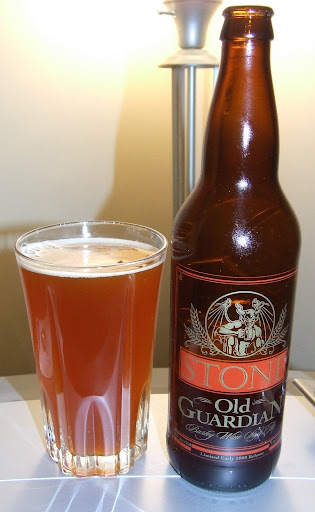
The opposite was the case for the Stone Old Guardian. Stone's beers are all well made, and their barleywine is no exception. Most beers made by Stone are heavyweights. While this barleywine was also carries a big stick, it also spoke more softly than some of the other Stone brews, which typically offer all the restraint of Deion Sanders at a Kennedy family reunion. Old Guardian is a little restrained for a barleywine made by this loquacious brewery (buy the beer and read the manifesto on the back of each bottle for details), with a soft color that brings out the subtle (for Stone) hops and fruity malt. This beer is beautifully drinkable upon release, and it should continue to improve for decades.

New Holland Brewing, from Michigan, offers an interesting take on barleywine with Pilgrim's Dole, a barrel-aged barleywine that consists of 50 percent wheat. This brew has piles of fruit on the flavor and aroma profile, circling from lemon and blueberry and showing off the bourbon barrel notes on the finish. There is a little cloying sweetness that annoyed me, but the beer difinitely had more positive characteristics than problems. If I was grading it, I'd give it a B+ rather than an A. I liked it but didn't love it...but I'm not sorry for trying it.

Weyerbacher is another brewery that specializes in big beers. The latest one I sampled was the 12th anniversary ale. Consisting of 50 percent barley maly and 50 percent rye, this barleywine is a little more tart than sweet, with an aggressive hop character that comes through on the finish.

Back to the IPAs, my next brew was the Steelhead Double IPA by Mad River Brewing in California. They offer both a mortal pale ale and a juiced-up double IPA. The Double IPA is a style that emphasizes aggressive hop content, and with 85 ibus, this beer definitely has hop character. It is flavorful if not a touch astringent with the brutal hop character. It's a tasty beer, less hoppy than some of the uber-hopped brews from Dogfish Head and Stone, but it's far hoppier than the traditional style pale ales by Sierra Nevada.

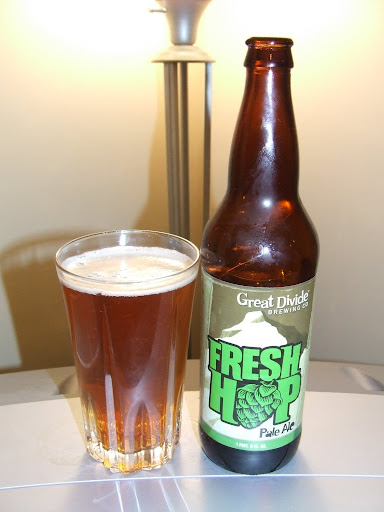
Great Divide Brewing also features two pale ales in their portfolio. The first is an IPA, and the one I sampled highlights the beautiful flavors and aromas of beer's greatest bittering agent--fresh hops. The Fresh Hop Pale Ale utilizes freshly picked hops that are still wet with all of the essential oils that produce that unmistakable flavor and aroma that defines the pale ale style. The beer has a golden color, flavors of citrus and a hint of vegetation with the overpowering aroma of hops. The hops are well integrated into the beer, making this special offering an absolute winner.

AleSmith, like Stone, is a San Diego area brewery that specializes in big beers. AleSmith is an acclaimed microbrewery/brew pub that isn't afraid to put the pedal to the metal in the brewing process, producing such highly rated beers as the barrel aged Speedway Stout along with a number of other gems that are among the best quality brews in the United States. Their IPA, however, is one of their few beers that didn't take my palate for a magic carpet ride. The aromas of pine, eucalyptus and flowers promise great things, but the flavor is more restrained than its other AleSmith bretheren. While this is a quality beer, considering the price, there are a number of other IPAs that I consider to be of a better quality. I think the Speedway Stout is worth the price of admission, while I found the IPA to be decent but not otherworldly.

Great Lakes is another brewery with multiple pale ales. The everyday pale ale carries the sharp name Burning River, named after the history of Cleveland's polluted Cuyahoga River which was once so toxic that it actually burned. The other offering from Great Lakes is the Commodore Perry IPA, named after the naval hero from the War of 1812 who fought on Lake Erie. The golden color hides a less than subtle aroma of grapefruit and pine. The hops are so powerful that they coat the tongue in an oily finish that goes on for days. I'm glad this beer went from a seasonal to an all year product because it is delightful.

They might not call it an IPA or a Double IPA or a Monster Pale Ale or an Imperial IPA, but Bell's Hopslam could go by any of these monikers and it would fit the bill. The picture of the guy crushed by giant hop buds on the label pretty much tells the story. The beer is made with hops, hops and more hops, and it is definitely an assault on the palate. Don't plan on tasting anything else for a day or two after trying this on for size.

But wait...there's even more. In celebration of lent (that is the stupid time of year when stupid Catholics give up eating meat, and continue to act stupidly by still eating fish. How stupid!), fasting monks would subsist off of a double bock beer. There are a number of classics made in this style (see Salvator and Celebrator for classic German examples, or Bell's Consecrator for an American version). These full bodied, high calorie beers kept German Catholics fat and happy during a Lenten fast.

Flying Dog, Colorado's gonzo brewer, made a new Wild Dog offering, and this time it's a dopplebock. Interestingly enough, it was an open source collaboration with home brewers, and the complete recipe is available online. The beer is deep mahogany in color, with a sweet, fruity flavor that is counterbalanced by a hoppy finish. It's quite tasty, and it should help you get through the season whether you are fasting or simply drinking your way through the season, religious rules be damned.

My first experience with a beer carrying the name dopplebock was brewed by Wisconsin's favorite son Leinekugel's. The Big Butt Dopplebock used to be available as a dollar drafts at my favorite watering hole back in the day, and man did I abuse that privilege. This dark complected lager, while now costing quite a bit more than a buck, still is one of my favorites from Leinie. It's dark, sweet and strong, and it should help you drunkenly stumble your way through the Catholic holidaze.

Since we're waxing philosophic on German beers, now is the best time to talk about Paulaner Hefe-weizen. This classic style has given birth to a number of American knockoffs (Blue Moon is the most urbane example), but to appreciate it, you must go to the source. And Paulaner is a fine example of a German classic. This unfiltered wheat beer often has it's acidity magnified by the addition of a lemon, but it's delicious with or without the addition of citrus fruit. It is a clean, with notes of clove and tropical fruit. This beer was destined to quench your thirst on a balmy summer day.

Finally, I'll wrap it up with a few other odds and ends. I sampled a brew from Oregon's hippie kingpins Rogue. No matter what, Rogue's beers always display great character, and the Morimoto Soba Ale, made with roasted buckwheat, is no exception to the rule. The brew is redolent of hazelnuts and cream with a long finish. It is a different taste, and it should be, as buckwheat is technically a fruit and not a grain. Whatever it is, it tastes delicious.

Jolly Pumpkin is a Michigan brewery that craft brews beers, many of which are bottle conditioned, including the Bam Biere. While I am a big fan of most of their beers, this one came off as a bit too aceitic for my liking, with a vinegar character that overpowers the rest of the flavor profile. I like Jolly Pumpkin's brews, but this one swung and missed in my humble opinion.

I bought the Stoudt's Fat Dog stout strictly because it was called Fat Dog. Okay, maybe I bought it because Stoudt's makes good beer, but the fat Lab on the front label definitely sold the deal for me. Fat Dog is actually a bottle conditioned mixed breed, as it is a blend of oatmeal stout and imperial stout with a fatty 9 percent alcohol. The roasted malt is apparent in both the aroma and flavor profile, and the imperial stout sweetens the finish up nicely. You'll feel like a fat dog after drinking six of these.

The Shiner Black Lager was the same color as the Fat Dog, but it was not nearly as hedonistic of a pleasure. It is a Texas brew made in the Schwarzbier style, and it comes off as light and almost flavorless. Shiner makes some decent brews, but the Black Lager is definitely not one of them. Stick to the (questionably named) bock and the hefeweizen.

One of my worst experiments gone wrong came in the form of the Baltika 9. I remembered Baltika as a fairly characterless Russian swill, and my memory served me well. But I couldn't pass up the 51 ounce plastic bottle that it came in. The 9 is Baltika's extra fancy reserve beer. I'm not sure if it was the plastic bottle or the inferior Russian brewing tradition, but Baltika tastes about what I would have expected Boris Yeltsin's urine to taste like after a three day vodka bender. File this under the label "toxic."

Last but not least, Straub Light is a Pennsylvania brew advertised (as are all Straub products) as All Natural. Though free of preservatives, it was also free of taste. It is priced between Miller Lite and Amstel Light, and it's quality falls between the two, making it a fair market value. Drink this if you're too hoity-toity for Miller but too plebian for Sam Adams Light.

Check out the pictures below, and make sure to put something cold and delicious in the fridge.


Celebration of fermentation

12 February 2008

I see it coming...


In the not-so-distant future, I see beer reviews coming. New episodes of "The Wire," as well as new On Demand episodes of "Curb Your Enthusiasm" (plus work) are keeping me busy. I promise I will drop a malt bomb really soon.

06 February 2008

Belgian beer is best


Over the course of history, controlled scientific research has repeatedly demonstrated the superiority of Belgian beer to its German counterpart.

This last statement is actually a complete fabrication on my part. My palate has repeatedly demonstrated this mantra, but if you asked the average Joe on the street, they would call Germany the birthplace of great beer.

But Belgium offers a more diverse selection of beers than does the Fatherland. While the Belgian styles have caught on elsewhere in the world, they haven't achieved quite the notoriety of the German styles that have migrated to other nations. That being said, Belgian brews are almost always as interesting as they are delicious.

Belgian beer has an interesting history. Trappist ales have roots into the 11th century. An antiquated law, the Vandervelde Act, was written in 1919 and persisted through the 1980s. This act banned the selling of liquor to Belgian citizens. This law is credited with creating the high alcohol style of Belgian beers that continues while the Vandervelde Act fades into oblivion. These are just a few of the many facts that, along with the individualized glassware, make Belgian beer interesting and delicious.

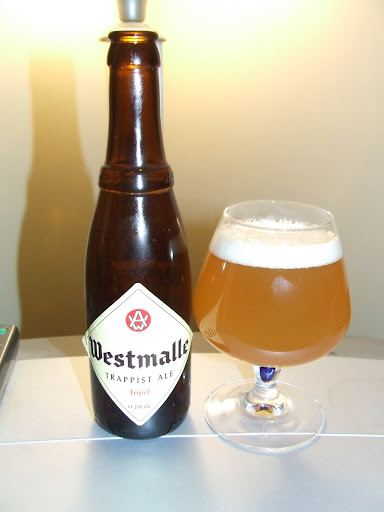
The classic Belgian brew is the aforementioned Trappist ale, and the classic Trappist ale is the Tripel. A tripel is a golden ale that undergoes a secondary bottle fermentation. These ales can be aged for a great deal of time, and they undertake a greater complexity with age. Trappist ales can only be made by Cistercian monks who live in Belgium or the Netherlands. There are many Abbey ales, but only seven Trappist breweries allowed to display the Trappist insignia.

Westmalle Tripel is one of these beers. It has a rich golden hue that is cloudy from the yeast that is used for bottle conditioning the brew. The beer begins tart, with notes of citrus fruit that flesh out into a bready midpalate with a balanced floral qualities and a clean finish that belies the nearly 10 percent alcohol by volume.

If you enjoy beers like this, there are other great Trappist producers, including Chimay, Orval and Westyleteren that also make great Tripel ales. Chimay is the king, but none of these beers are worse than fantastic.

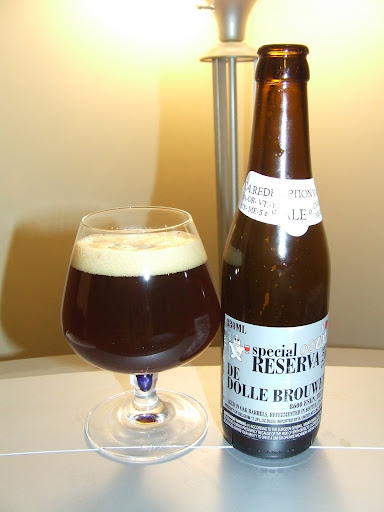
De Dolle is a small Belgian brewery near Brussels. Everything they make is delightful, and their labels are brightly colored and fun much like the ales. The Oerbier Special Reserve (of which I bought the last bottle in the store) is an oak aged cousin to the regular Oerbier. It has a ruddy color, with aromas of sour fruit and toast, with flavors of cherry, olive oil and smoke that are tempered by a creamy, frothy mouthfeel. It is pictured above.

Bottle conditioned monster brews are not solely the product of Belgium. Mikkeller, the most noted brewery in Denmark, also makes big beers that are rooted in the Belgian tradition. Although their brews are guided by the Belgian tradition, they are every bit the project and the passion of two Danish homebrewers who turned their projects into a microbrewery.

I have sampled a few other Mikkeller brews. The Black Hole is their most famous beer. But the last brew I tried was the Big Worse Barleywine, a massive, sweet beer as opaque as coal with enough malt to bake bread for a year. It's so big that it puts the Black Hole into Guiness' weight class. Big Worse has aromas of caramel and fruit that rise above the viscous brew. The hops are as over the top as the malt. This is a beer that drinks well now, but will probably show best with three or more years of bottle age, and should last forever and a day.

Denmark seems to be a hotbed for Belgian-style brews. Those who enjoy the spicy nature of Abbey ales will dig the Olfabrikken Abbey Ale. The aromas of cinnamon, cloves and pepper erupted from the glass of this double ale, and the flavors of malt, spices, prunes and brown sugar. The hops are subtle and well integrated. This is a solid, well made brew.

After scanning the blogosphere, apparently Olfabrikken has been bought by a Danish beverage conglomerate and production of the beer could be eliminated. Hopefully that is not the case; we've seen how Bud and Miller ruined the quality of beer in the States, and how other conglomerates have ruined distinctive brews worldwide. Hopefully this is not another of those sad tales.

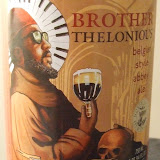
Finally, America has also jumped on the Belgian style bandwagon. The last one I tried comes from California's North Coast Brewing. Their beer is made in the Belgian dark strong ale style, and even better, it's named after one of my favorite jazz legends Thelonious Monk.

Monk, the eccentric pianist, bandleader and composer, is one of the greatest American composers of all time. His compositions include "Round About Midnight," "Straight, No Chaser," "Bemsha Swing," and "Monk's Dream." He also has one of the coolest middle names ever--Sphere!

Brother Thelonious Abbey style Ale is as close to Heineken as Monk's compositions were to Hoagy Carmichael's oeurve. The deep brown ale is loaded with aromas and flavors of fruit, including cherry, Granny Smith apples and plum with underlying hints of spice and flowers. The beer is strong and medium sweet, with a long finish.

The brewery donates $2 to the Thelonious Monk Institute for Jazz for every case of Brother Thelonious sold, so you can also feel great enjoying it. Although the beer isn't produced by monks, it does celebrate Monk, so I'm sold. Check out the pictures below, and drink some Belgian (or Belgian style) beer in order to taste something as different as it is delicious.


Celebration of fermentation

01 February 2008

Bacchanalia--Rhone style


Don't ever let anybody tell you that the best wine from France comes from Bordeaux or Burgundy. Based upon grapes from those regions (Cabernet Sauvignon, Merlot, Pinot Noir, Chardonnay, and Sauvignon Blanc) being the most popular grape varietals not only from France but also worldwide, you'd believe that these were the only types of wine that mattered.

If you dig a little deeper, or really, a little further south in the French countryside, you would stumble upon the Rhone River valley. Nestled along the Mediterranean coast, the wines from this region include some of the most idiosyncratic wines in the world.

I love love love Northern Rhone wines, particularly those from the Hermitage and Cote Rotie regions. Red wines from Hermitage are 100 percent Syrah, and wines from Cote Rotie (which translates into English as the Roasted Slope) are allowed to contain small amounts of the heavily-perfumed white grape varietal Viognier. Single vineyard wines from either Cote Rotie or Hermitage can be absolutely divine. Ask me nicely and maybe I'll share a bottle with you.

I sampled the 2001 Cote Rotie by Michel and Stephane Ogier. It is a blend of grapes from the Cote Blonde (Blonde Hill) and Cote Brune (Brunette Hill). There are many explanations for how these names came about. The most romantic involves the two different areas were bequeathed to two daughters of a lord, and that the two daughters had two different hair colors and personalities. The blonde wines are prettier, more upfront and elegant, while the brown wines are bigger and more tannic.

The Ogier Cote Rotie showcased a deep garnet color, with aromas of berries, pepper, green olives and daisies. The 2001 vintage is considered good if unspectacular; however, this wine was showing magnificently, and should drink well for another 10 years.

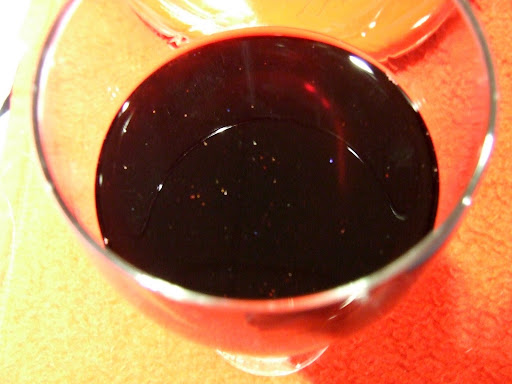
You can also enjoy the throw in my glass that I failed to decant properly. The sparkles in my glass, pictured above, demonstrate my inability to serve wine like a gifted sommelier. Oh well...you can't win them all.

Southern Rhone wines can be every bit as interesting as their Northern cousins. The flagship wine of the Southern Rhone is Chateauneuf-du-Pape. The name refers to the time when the Papacy was located in the Rhone rather than in Italy.

The wines from Chateauneuf can legally consist of as many as 13 grape varietals. I once memorized these grape names in hopes of impressing a drunken Robert Parker at a wine event, but I never got a chance to rattle them off to the wine snob to the stars. Maybe next time. The most important grapes are Grenache, Syrah, Mourvedre and Cinsault.

Chateaunef-du-Pape, after years of being lauded by the esteemed Mr. Parker, has increased in price as the ratings continued to skyrocket. A series of great vintages (1995, 1998 and 1999 in particular) put the prices in the stratosphere. Those of us with more pedestrian earning power, however, can still find a few nicely priced bottles of Cotes du Rhone, a wine made of similar grape varietals as the Chateauneuf-du-Pape wines, for a fraction of the price with many of the same flavors from the 2005 vintage.

I tried the 2005 Caves des Papes Heritage Cotes du Rhone. This wine was aged for 12 months in oak barrels, and consists of a blend of 70 percent Grenache, 25 percent Syrah and 5 percent Mourvedre. These wines are far lighter than Chateauneuf wines, but they still have tons of jammy fruit and a powerful character of pepper and spice that is often found in Southern Rhone wines. This is the type of wine that pairs well with spicy foods (I enjoyed mine with a great white bean chili pasta, and both were delicious). Also, as a side note, these wines are also owned by a member of the Ogier family like the first Cote Rotie.

Two of the Southern Rhone grape varietals have travelled quite well. Syrah, used in both the South and the North, is the most widely planted grape in Australia, where the natives call the grape Shiraz. Syrah is a muscular wine with berry fruit and spicy notes. Grenache is also widely planted in other areas worldwide. It is a more restrained varietal, lighter in both color and flavor.

Although less famous than other grape varietals, Grenache is one of the world's most planted grapes. It can be found in France, Spain, Italy, the United States and Australia. It has a garnet color, and it can possess aromas of strawberries, cherries and earth.

Turkey Flat
in Australia produces one of the country's most heralded Grenache wines. The wine displays a bright violet color with bright strawberry fruit, notes of leather and graphite and a firmly tannic backbone that comes across in the finish. The wine would pair beautifully with a mushroom risotto.

Finally, you can rest easy if you believe that interesting wines made from Rhone grapes are only red. White wine drinkers can find interesting choices in white wine from Chateauneuf-du-Pape, Hermitage, Condrieu and Cotes du Rhone, amongst others. Some of the more well-travelled white grapes from the Rhone include Grenache Blanc, Marsanne, Rousanne and Viognier.

D'Arenberg, another winemaker from Australia, specializes in Rhone grape varietals. I samled the 2006 Hermit Crab, a blend of Viognier (a peachy, floral wine with a vibrant acidity) and Marsanne (a classic Rhone blending grape with flavors of nuts and minerals). Together, the wine displays pretty tropical fruit notes with a waxy undercurrent. The wine is named after the Hermit crabs that inhabit the vineyard, with an approving nod to Hermitage, the homeland of Marsanne. It was also rated 90 points by the Wine Spectator and recognized as one of the top 100 wines of the year in 2007 for those who keep track of those petty details.

But these are just a few of the Rhone (and Rhone style) wines that are far more interesting than the cookie cutter Cabs and Chards churned out around the globe by wineries with little to no panache. Pop a cork on one of these wines, and taste something beautiful that is unlike anything else you've ever sampled before.


Celebration of fermentation

29 January 2008

Celebration of fermentation


I have an absolute backlog of tasting notes that I'm going to attempt to get up as part of my quasi-regular beverage column. Now that the holidays are over, I have plenty of seasonal brews to wax philosophic about. There is also my regular army of Belgian (and Belgian-style) brews. There are many other beers that don't fit easily into these preexisting categories, and a number of wines that will round out the prose. Enjoy!


Winter just might be the most wonderful time of the beer. The majority of the world's breweries, from the masters in Germany to those who produce industrial quantities of rice swill in St. Louis and Milwaukee, produce a special beer in the winter season. Summer beers are also extremely popular offerings. In my humble opinion, there is a great deal more character in the winter brews than there is in the summer counterparts. Winter beers are a great way to warm the soul if you're trapped in a snowed-in basement.

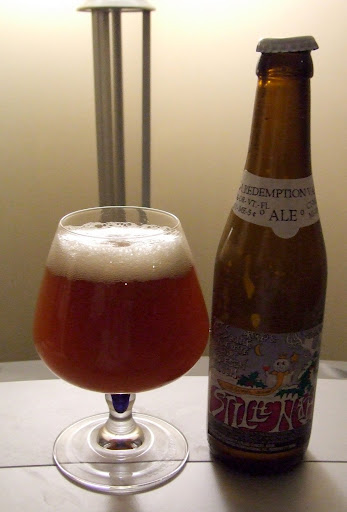
One of the greatest brews produced every holiday season comes from De Dolle, a Belgian craft brewer that hits the mark every time (see the Mad Bitch and Oerbier for evidence). Their seasonal goes by the name Stille Nacht, which translates into English as Silent Night. The white candy sugar gives this brew its seasonal kick. I definitely always look for the Frosty the Snowman artwork every year, as should you. But this is a brew that is used to the alt tab scrutiny that often accompanies the season. Buy anything and everything you can purchase from this Belgian gem.

Rogue's seasonal brew embodies everything I love and everything I hate about winter beer. Santa's Private Reserve is an uber-hopped version of the Saint Rogue Red Ale. The hops are augmented by a mystery strain identified by head brewer John Maier as "Rudolph," and these hops are not used in the red ale. I really like winter ales like Rogue that base their flavor profile more on malt and hops than they do on adjunct spices. However, from a marketing standpoint, I believe that framing beer with the Christmas theme limits those who will drink the beer and when they will drink it. This beer would taste good all winter long; however, it looks out of date December 26th.

Great Divide's winter brew, Hibernation Ale, is the original craft strong ale from the Rocky Mountain state. The ale is cellar aged for six months before release, and the age tempers the rich malt and aggressive alcohol character of the brew. This beer should also greatly improve with a few additional years of bottle age--highly recommended!

Finishing off the seasonal beers (and beating out all the other 2008 equinox offerings) is the E.S.B. from craft brew pioneer Sierra Nevada. The term E.S.B. traditionally refers to a strong British style pale ale, and the acronym would stand for "Extra Special Bitter." In the case of Sierra Nevada, E.S.B. stands for Early Spring Beer. It is a fresh, unfiltered beer with an outstanding balance of malt and hop character, and it should provide an early relief for beer drinkers who are already fed up with winter ales.

Check out the pictures below, and I'll return later with my remaining tasting notes.


Celebration of fermentation

11 January 2008

Vino 100


I've driven past Vino 100 about 100 times. I finally decided to check it out today. It's a slightly different store that is geared toward the novice wine drinker rather than the well-trained sommelier, and I'll definitely be back after my first trip into the store.

The concept of the store is 100 wines priced at $25 or less. There are also a few carefully selected wines from a higher price bracket. The wines are arranged by body rather than by appellation or varietal. This mirrors a number of restaurant wine lists, which help sell fermented grape juice to people who could care less about whether a wine is a right or left bank Bordeaux and more so whether it is dry or sweet, or light or full bodied. I applaud the idea, and I hope it catches on elsewhere.

The staff was very helpful and friendly. They offer wine to taste (which is always a must do in my book). There are a wide variety of wines from all over the map, including the U.S., Italy, France, Australia, Austria and Germany.

There is also a limited selection of olive oli, pasta sauce and cheeses, including four cheeses from Sacramento area Pedrozo dairy, an artisinal cheesemaker that uses raw milk to produce cheeses that taste like Gouda, some of which are treated with rose sparkling wine, Cabernet Sauvignon and stout beer to give it a little extra flavor.

This is a chain, which probably gives the organization more buying power, allowing them to offer 100 wines for less than $25. There are two Columbus area locations, one in Westerville and one in the Short North. This isn't the kind of place you go to get trophy Bonnes Mares and Sauternes. It's more of a place you go to get a cool bottle of wine to share with your friends alongside pizza on a Tuesday night.

Check out the pictures below.


Vino 100

20 December 2007

Tis the Seasonal


This is the season where beer gives to its drinkers a greater bounty than almost any other time of the year. I'll drink through a few of them so you don't have to waste your time drinking junk.

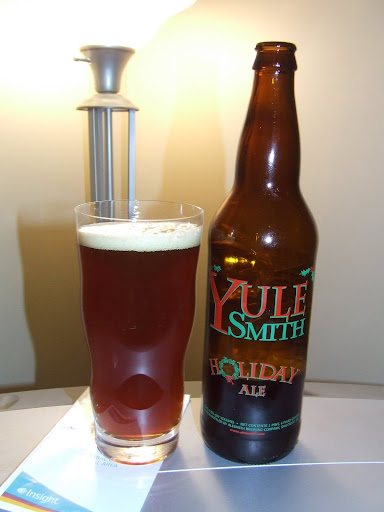
Ale Smith is a San Diego brewery that specializes in carefully crafted beers of mamoth flavor proportions. The Yulesmith Holiday ale is an Imperial red ale made with generous quantities of malt and hops. This brew is less spicy than many of the other holiday beers that are flavored with herbs and spices, but it has as much if not more character. Ale Smith is almost always a quality product, and the latest holiday brew is no exception.

Abita is a Louisiana brewery that also produces a Christmas beer. This year's batch stays true to the old form--a dark ale with a faint hops character. The beer is light in character, and doesn't posess the character of many of the other seasonal offerings. This is a Christmas beer for people who detest craft beer because it has too much flavor...and I'm not one of those people.

Lakewood, Ohio is home to Buckeye Brewing. Their holiday beer is also not a spiced holiday ale. Instead, it is a Belgian-styled dubbel ale with all of the sweet fruit notes and the yeasty complexity that can only come from bottle conditioning. This is a well made beer that has enough alcohol to keep you warm through the winter months.

Sammy Smith always makes one of the most widely available winter ales, and it's widely available for a reason--it's good as hell! The beer (called "Winter Welcome ale") continues to illustrate my misstep in identifying holiday beers as spice oriented (even though they typically are). This beer is medium bodied, with a rich malt character alongside a classic European hops aroma. The other cool colectible thing is that each year has a different label (the picture in the middle changes while everything else stays the same), making the beer easy to stockpile if difficult not to drink.

Every beer this time of year is not neccessarily seasonal. Victory has a few limited time offerings that were pretty tasty. Hop Wallop is the Pennsylvania brewery's uber-hopped beer, and it possesses a complex floral aroma with a hint of cotton candy and a trace of leather. My ghetto palate estimates that the beer has about 90+ ibus, and it will knock your palate out for the night. Enjoy this beer beside a giant bowl of chili and don't plan on drinking more than two because the bitterness will overwhelm you.

The other Victory beer that just came out was their barley wine Old Horizontal. The brew features toffee, apple, citrus and tar notes backed by a sneaky high alcohol content of 10.5 percent. The date on the bottle says drink before the end of 2012, and I bet this would be deliciously integrated by the next Presidential election.

If Jever isn't the finest pilsner on the planet, I challenge somebody to find a better European continental brew. The one shortcoming the beer has is that faint skunk character that is overpowered by an aggressive hops aroma and flavor as well as a surprisingly clean finish for a beer with this level of bitterness. The green bottle funk is more than superceded by the quality of the ingredients. This brew is a German classic that doesn't get as much recognition as it should for its stark individuality.

Akron brew pub the Hopping Frog offers a double IPA known as Mean Manalishi. I've never been wild about these beers, but this brew is restrained (for a double IPA), with pine flavors and aromas that create a dynamic brew that seperates itself from the other offerings from Hopping Frog.

Mikkeller offers a number of interesting brews, including the Black Hole coffee stout. This beer was so good, I'll let their PR practitioners describe the flavor for you. "An imperial stout brewed with: water, malt, roasted barley, flaked oats, dark cassanade, honey, hops, coffee, vanilla and ale yeast. Finally……! Black Hole is what Mikkeller is all about. Daring, vulgar and extreme. From the very beginning Mikkellers goal has been to push the limit and with this warming, intense imperial stout, a new chapter in the Danish beer history has been written. The high bitterness from the hops and the sweetness from the malt and alcohol, creates a good balance which makes Black Hole an explosion of nuances, but also leaves a feeling of a perfect and complex beer – in the heavyweight category." If you like coffee, you'll love this.

If the label says "Dogfish Head," you know it's f-ing good. (They can have that slogan for free if they need it for future marketing campaigns.) Pangaea is a beer brewed almost every year with ingredients from all seven continents. There is water from Antarctica, ginger from Australia, basmati rice from Asia, and malt, hops, yeast and something else from the other continents. This beer has a long finish that starts up front with ginger and floral hops before the malt lingers on the tongue. Buy this and drink in excess.

I'm not going to lie--I bought the Arcadia beer Big Dick's Old Ale because it had the word dick in the name. But the beer was surprisingly good, with flavors that show off tons of malt and a hint of smoke and brown sugar. This beer tasted like it needed about six to eight months more of bottle age before it was ready to be consumed. It should last for some time.

Thomas Hardy is a top-notch vintage ale with tons of fruit notes that lighten up as time goes on. This beer will age forever and a day, and the 2005 vintage is no different. With notes of nougat, figs and honey, this beer will be around long after these flavors fade and new ones emerge. Buy some, and save half of them for a rainy day.

I also tried Schneider Weisse, an organic German wheat beer with a citrus flavor along with a light, undistinguished finish. The beer is good, but not good enough to make me pass up the other more mainstream German weizen beers.

The Fort Collins brewery offers the Retro Red, which is an off-dry beer with a ruby tint and a clean finish. The beer is tasty if unspectacular. It is a good beer for a session of lawn mowing, but it lacks the complexity to make it a savoring brew. I like it but I don't love it, and you should do the same.

Enjoy the beer advice--I hope your evening with beer is better because of it!


Tis the Seasonal

29 November 2007

Newest Brewest


There are no shortage of new beers in the holiday season. Winter is one of the best times of year to experience the widest range of malt beverages that most appropriately compliment the holiday fare.

My first experience with holiday beer comes from Cleveland's Great Lakes Brewery. This brewery is an institution not only in Ohio but also in the United States, operated by the Conway family. They are a pioneer in the craft brew movement, and the Christmas Ale showcases their talets. The strong brew highlights flavors of ginger, honey and pine with a surprisingly clean finish. Enjoy it with a stocking full of goodies.

If anybody would need winter warmer beers to make the nights fly by a little faster, Norway would probably be Ground Zero. Nogne O ("Naked Island") produces craft beer in the Scandinavian countryside, and God Jul ("Winter Ale") is their holiday offering. The beer is medium bodied, with sweet caramel/chocolate notes and a heavily roasted finish.

Tommyknocker Brewery achieved cocoa notes in their winter beer through another methodology...namely they added roasted cocoa beans to the brew kettle along with honey to give the brew a definite chocolate character. I've never been a huge fan of Tommyknocker beers, but the Cocoa Porter definitely separates itself from the rest of the portfolio.

Holiday beers allow brewers to show off their craft alongside artists whose naughty side shows through in clever Christmas packaging. British artisan Ridgeway produces a plethora of cleverly packaged holiday beers, including Santa's Butt, Lump of Coal and the Bad Elf series. Criminally Bad Elf is one of four different elven brews, and it is a thick, viscous beer with a vinous character and enough alcohol to remove nail polish. These are interesting beers in a free speech forum because the state of Connecticut banned the beers because they have Santa Claus on the label. Buy these beers to give the finger to the censor police.

Outside of holiday beers, winter is also a great time of year for Abbey style ales. The high alcohol content and aggressive flavors temper the winter chill nicely. Abbey ales are derivative of the Trappist ales, a series of beers developed by monks in Belgium. Konings Tripel is produced at the only Trappist brewery outside of Belgium, across the border in neighboring Holland. The beer displays a rich golden hue, and it has a more delicate yeast influence than its Belgian counterparts. When you finish this beer off, there should be about six more Trappist breweries left in order for you to sample your way across the Catholic beer palette.

Not all Abbey ale producers are Trappists. Some, like St. Bernardus, have Trappist roots that go back as far as any of the other breweries' Trappist affiliations. The Prior 8 is the double ale, and it has all of the bready notes, fruity flavors and herbal bitterness that mark this classic style.

St. Bernardus also crosses genre lines with their Christmas ale. The beer has a dark, rich, opaque appearance, and it displays a thick head, notes of clove, ginger, apples, figs, cinnamon and oatmeal. I don't know how to say "Merry Christmas" in Dutch, but I bet it sounds something like St. Bernardus Christmas ale.

Belgium produces other styles of beer apart from the Abbey ale style. Other brews from dynamic producers like Rodenbach make the nation the birthplace of some of the world's most exciting beers. The newest offering from this legend is the Redbach, a blend of nearly three parts sour ale mixed with one part cherry juice. The native yeasts and barrel aging give the beer an unmistakable character. The combination is a spicy, refreshing tart cherry cooler with hints of tree fruit that is absolutely divine.

Domestic producers don't shy away from Belgian character, either. Stoudt's Beer, from Pennsylvania, always tastes better to me because the brew master is a woman. I can't confirm or deny the influence the woman's touch has on the brewing process...I can only tell you that the ladies don't make bad beer. The Triple Ale (made in the classic Belgian style) has strong citrus flavors that punch through the complex malt and flowery hop aromas. I would like to check out the brew pub that is part of Stoudt's, although it has a limited vegetarian menu. I'm sure the beer more than makes up for it.

Avery Brewing also tries their hand at the Belgian style with the Beast. This is a Belgian grand cru style ale with a whopping 16.4% abv. The beer displays fantastic tastes of brown sugar, orange rind, maple syrup and spices. It will age as well as any others.

There are, of course, many other beers available that fall outside of the previously discussed categories. I'm a little behind the curve, but Weyerbacher released an Octoberfest styled beer in their Autumn Fest that was a great beer made in the classic style. This beer has the classic malt character that marks the brews from this time of the calendar year. Weyerbacher is another brewery that always makes great beer (including a number of Belgian-styled offerings), and they are well worth checking out.

You end up naming many locations as great epicenters of brewing before you come up with Quebec. But French Canada is home to great brewers like Unibroue and McAuslan, and these beers are so good you'd think everybody in Germany and Belgium was being inspired by the artisans in Quebec rather than the other way around. The St. Ambroise oatmeal stout is a former World Beer Championship gold medalist, and this beer is definitely a winner, with notes of molasses and charcoal that develop into a knockout beer.

Speaking of world classics, few names in British beer supersede Harviestoun. Old Engine Oil is the name of this producer's opaque brew, a mass of chocolate and coffee bitterness tempered by the English knack for creating some of the world's greatest beers. The latest offering is actually aged in old Scotch barrels, giving the beer a ripe peat character that makes this beer truly an experience. Enjoy it with a stinky piece of cheese as recommended by the brewers.

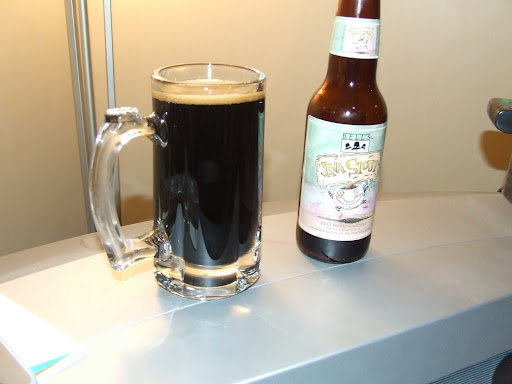
Much like beer with chocolate notes, beer can get coffee notes from a variety of sources. Bell's Java Stout accomplishes this task by combining their outstanding stout with the finest Sumatran coffee. The roasted coffee and malt notes create a marriage that is made in heaven (or Kalamazoo, Michigan).

Lagunita's takes a similar approach with their Capuccino Stout. Lagunita's relies on a local roaster to provide them with the best coffee, and this beer is slightly more delicate than the ebullient Bell's Java Stout. This taste is driven more by malt and less by coffee than the Bells counterpart. Both are excellent.

New Holland goes about adding character to their brews in a different manner...barrel aging. The dragon's milk is a strong ale with a support consisting of roasted oak underneath a midpalate of plums, licorice and caramel with a bright hop finish. This beer is considered their flagship, and as a result, it is very tasty.

And we'll finish the trip off with the progenitors of some of the world's biggest beers: Stone. The main offering from these loquacious craftsmen is the Arrogant Bastard. They do many different versions of the bastard, including October's Double Bastard, made from twice the malt and hops of its little brother. The marketing campaign behind Stone will tell you that you will not like this beer. If you think Budweiser is only acceptable for beer battering, I'd track down as many of these bottles as I could get my hands on and don't buy their clever ploy to keep the Bastard all to themselves.


Newest Brewest

31 October 2007

New Brew Review


Beer, more so than wine, has a great variety of seasonal periods that bring forth a varied selection of brews at specific times of the year. On the heels of the release of Great Lakes Christmas Ale (my official mark for the beginning of the holiday beer season), here is a review of the latest and greatest seasonal (and other) beer offerings.

No matter what your nationality, if you drink beer, you think about Oktoberfest. Many breweries from Deutschland to Denver brew a seasonal marzen-style beer in honor of the festival celebrating the old wedding of King Ludwig. In Denver, the spirited Flying Dog Brewery features Dogtoberfest, a domestic beer made from Vienna malts, German hops and the freewheeling spirit of the gonzo brewery. The beer is amber in color, possesses a rich malt character with notes of cereal grain and citrus balanced out by a complimentary hop finish. As with most Oktoberfest brews, this beer is easy to drink in large quantities.

The other big-time beer event in the fall is the hop harvest. Many breweries release special ales to celebrate the freshest possible hop character in beers. Sierra Nevada marks the hop harvest with the release of Harvest Fresh Hop Ale. This brew is made with freshly picked "wet" hops and is redolent of the conical beer bittering agent in both flavor and aroma. The piney, floral scents and the drying finish showcase the 8,000 pounds of hops used in the limited release brew.

Warrenville, Ill.'s Two Brothers Brewing celebrates the hop harvest with the Heavy Handed I.P.A. This is a great operation tucked in the western suburbs of Chicago, and this uber-I.P.A. changes yearly (and even by batch) based upon the hops and the vintage. Most of what the Ebel brothers touch turns to liquid gold, and Heavy Handed is no different. This is a great beer. One of the other neat things about Two Brothers is the Brewer's Coop, which offers tons of home brewing materials, if you want to get beer directly from the source rather than from your corner liquor store.

Not all of the beer consumed in the fall needs to be seasonal in order to be interesting. Sometimes, being made to age makes a brew interesting. Few beers have the long history of cellar dwelling that accompanies Fuller's Vintage Ale. The recipe of the beer changes annually, and the beer is made to be aged for eons. This year's bottle conditioned beauty is made from Maris Otter malted barley, Fuggles, Target and Super Styrian hops and the specific Fuller's yeast strain. It definitely needs bottle age because the malt is tightly wound and massive. The beer is at least two years from being fully integrated, but it will drink magnificently from 2010 to 2020. Stash a few of these away and wait patiently for the rewards to come.

Another vintage brew in a crown colony made to be aged in the ale from Australia's finest brewery Coopers. The Extra Strong Vintage Ale is also bottle conditioned. This beer takes on yeast characteristics rapidly, and becomes lighter as time passes. It has a raisin and oatmeal flavor, and can be drunk with or without the substantial yeast deposits in the bottle. On the plus side, Coopers also comes in fantastic 12.7 ounce bottles. While it is a good quality beer, it is too expensive at $16 a six pack, so keep the cost in mind.

Oregon is a hotbed of craft brewing, and Full Sail is one of the many greats in the Pacific Northwest. The newest limited release from the Mount Hood brewery is the Limited Edition Lager, a clean, refreshing golden beer made with bottom fermenting yeast and aged to a refreshingly perfect, clean continental pilsner. This is a beer that shows off the talents of this Oregon mainstay.

Further down the coast, Lagunitas brewed up the Lucky 13 Red Ale in honor of their anniversary. This is a ruby American strong ale with intense fruit notes and hints of caramel, mint and brown sugar. This 8.2 percent alcohol by volume beer is well made. While not the most showstopping offering from the Petaluma brewery, it is nonetheless interesting enough to sample once.

No offense to Germany, but in my humble opinion, Belgium is the beer capital of the world. Belgium is the only place where you can get Trappist ale, an ale prepared by monks from specifically licensed breweries. Orval, the original Trappist ale, was founded in the 11th century. This was the first bottle conditioned ale made in this style that still exists today. It is dry and yeasty, with a fat midpalate tasting of wheat, citrus and apples, and it has a long, complex finish. Try this beer, because it is the original example of a world classic.

Not all Belgian beers are Trappist ales. There are multiple beer styles in the country, and only the properly licensed producers are Trappist. Many other beers are made in this style are called Abbey ales. St. Bernardus is one of the best of these breweries. Although not officially a Trappist ale, the beer has monastic roots. They produce doubles, triples and quadruple ales. The Abt 12 has 10.5 percent alcohol, and it displays notes of plums, wheat bread, cinnamon, clove, citrus and leather. This beer has so much alcohol that it might put you down for the night, so drink this monster with care.

It's a little out of season, but anything with the words "Three Floyds" on the label, you know it's going to be good. Gumballhead is a summer wheat beer with Amarillo hops. Anything these guys make is great, so don't hesitate to try the Alpha King, the Black Sun Stout, the Behemoth Barley Wine, the Dreadnaught I.P.A., the Rabid Rabbit Saison, and the Dark Lord Imperial are all top notch offerings that are not to be missed.

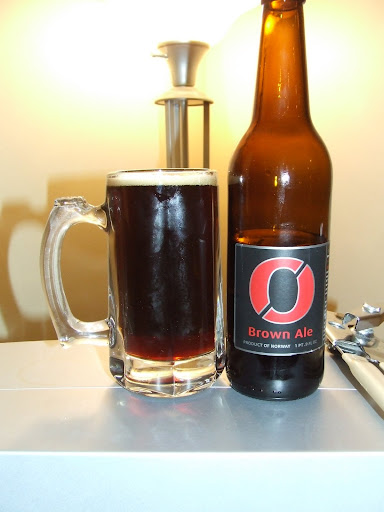
Nogne O Brown Ale comes from a region not noted for great beer production--Norway. This is a craft brewer that makes interesting brews from Scandinavia. Most of their beers have solid reputations. The brown ale is interesting if unspectacular. It has notes of coffee, cherries and smoke, with a thin, hot finish. This is the second brewery I have sampled from Norway after Aass, and although Nogne's beers have more character than Aass, the brown ale was fair quality at best.

The fall season sees the release of Bell's Best Brown Ale, a characterful brew chock full of flavor. The beer has a deep color, with roasted Belgian malts producing flavors of chocolate, maple syrup, malt and toasty nuts. This is another brewery that makes nothing but great beer. Bell's on the label is a sure sign of a quality product.

New Holland Brewing also features a brown ale. Their offering is called Cabin Fever and it is made with rye malt that gives the beer a deep color and a rich flavor with an earthy finish. The beer is lighter than expected, but it is very good beer for when the temperature drops and alcohol provides a little extra warmth while sitting in front of the fire.

New Zealand's premiere beer is Steinlager, a continental pilsner from Aukland. It has that funky skunky character that accompanies all green bottle beers, and it would be generally indistinguishable from any other green bottle import. Drink with care, because the longer these beers sit around, the skunkier they get.

New York micro Southern Tier produces interesting year round and seasonal offerings. One of their limited release beers is the Unearthly Imperial Pale Ale. This beer uses too much hops, and for me to say a beer uses too much hops, it indeed has to use too much hops. There is no balance. A beer can be uber-bitter and still be pleasant. This brew has an assault of pine flavors that overwhelm the palate, disabling your ability to taste it. The hops are not the best choice to use in a beer of this style, because instead of overwhelming your palate in a positive way, they succeed in drowning your palate with an overload of unpleasant bitterness.

Located in rural Oregon, Siletz Brewery bottles many of the beers available at its pizzeria brewpub. I sampled the Lovin' Lager and was greatly underwhelmed. I don't know if the bottle was old, but the beer was flat...not in terms of carbonation, but in terms of flavor profile. It had a meandering finish that was too unfocused to make any kind of statement. I'll have to sample the rest of the line to see if there is anything worthwhile in the rest of the portfolio.

That's all for now. I'll be back with more next time I get a minute. Check out the pictures below.


New Brew Review

09 October 2007

Homerun News Day


The final division series is over, making the next two days an absolute black hole for athletic competition unless you'd like to check out the slate of volleyball available on the Big 10 network. Joe Torre may have managed his last game in a Yankee uniform. Alex Rodriguez might also be leaving the Big Apple. New York is a mess, and outside of NYC, everybody is laughing at the city and its misfortune.

The White House rush to demonstrate the effectiveness of their war on terror has resulted in some unintended consequences. After a copy of Osama bin Laden's 9/11 speech was taken from al Qaeda's intranet, the network went silent, destroying this window into this world of extremism. Bush gave up a direct link to terrorist information in order to impress the public with a two-day early copy of the senseless ravings of a deranged madman in bin Laden. This isn't the first example of the White House rushing headlong into an endeavor without a careful plan, and it probably won't be the last, either.

The Democrats in Congress, those people elected by the American population to change the direction of the country after the rudderless Republican regime, are expected to extend the warrantless wiretapping program in the U.S. The Dems are doing such a good job directing the legislative branch that they have to inspire somebody to create a third party to replace the ineffective two that the voters have to choose between.

Blackwater is in the soup now that Iraq's government will demand $136 million in damages because the security firm killed 17 civilians. Now democracy in Iraq is really chugging along, because the Iraqis have figured out how to go after the people with the bankroll. If the system is broken, you can always sue somebody.

CBS news is under fire again. First, the Dan Rather debacle damaged the news institution's credibility when they failed to fact check a story on George Bush's military service record. Then they threw a curve ball by hiring bubbly morning TV personality Katie Couric to anchor the evening news, bringing more criticism. Now, they are apparently not allowing conflict of interest problems to prevent them from using the public relations machine to build the Dick Cheney agenda. Rita Braver, whose husband derives income from legal work on Mrs. Cheney's new book, put together a fluff piece about the book, further blurring the line between news and advertising. The new sign off for the evening news can be, "Brought to you by this evening's sponsor."

Finally, those who think that American macrobrews are too similar to one another will cringe at the news of Coors and Miller combining efforts to market beer in the United States. At least now I know that there will be one single corporate entity making shit beer to appease the simple American palate and oppose the monolith that is Anheuser-Busch as opposed to two companies with the same ridiculous goal.